The PI
About
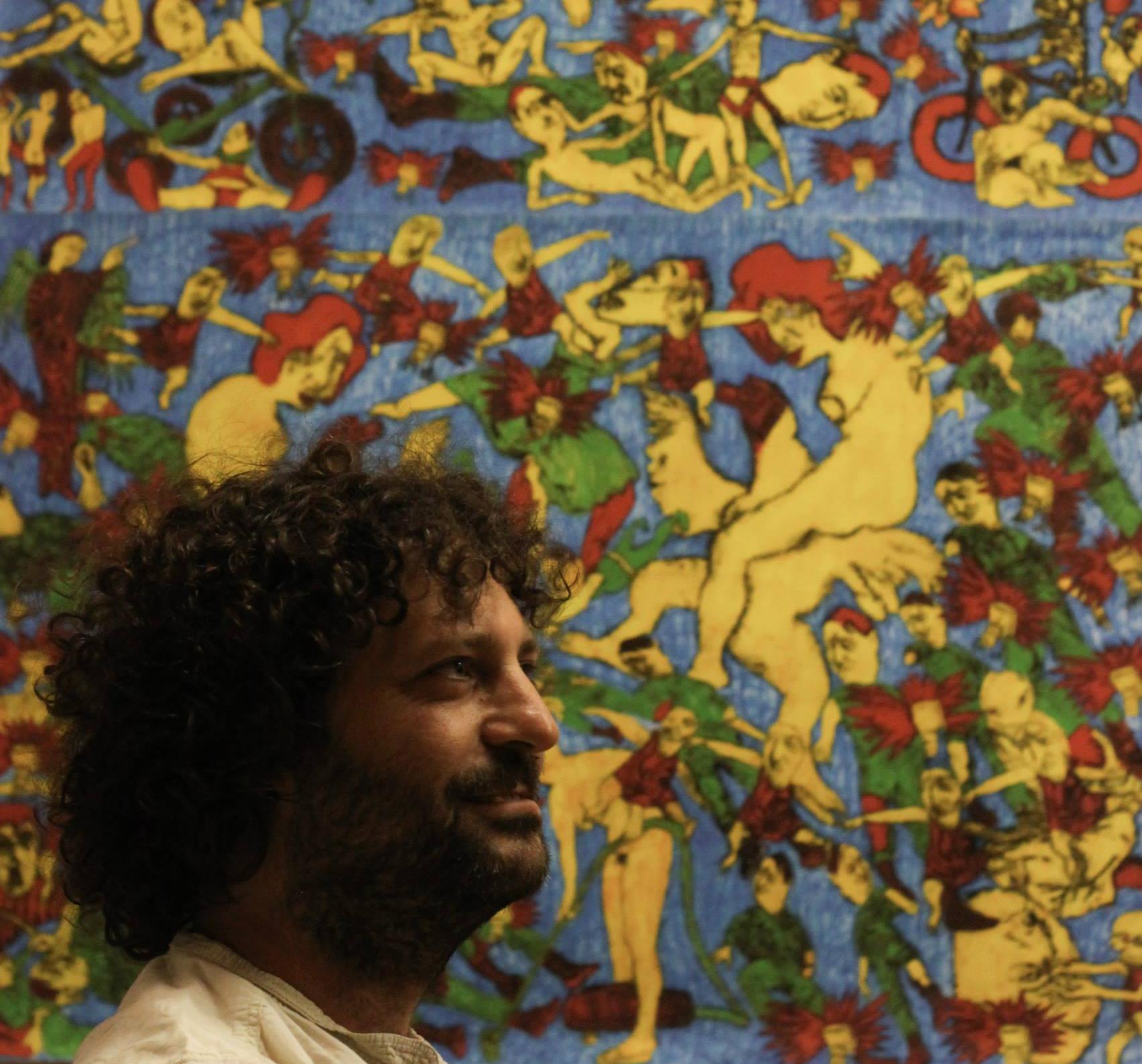
I am a Senior Lecturer (Assistant Professor) of Statistics & Data Science and Digital Humanities at The Hebrew University of Jerusalem, and I lead the Scripta/Spectra Lab. Before that I was a Phillip Griffiths Assistant Research Professor at Duke University, working with Prof. Ingrid Daubechies. I completed my Ph.D. in applied mathematics at Tel-Aviv University under Prof. David Levin; my M.Sc. was co-mentored by Prof. Levin and Prof. Israel Finkelstein (Archaeology).
Humanistic subjects — scripts, paintings, literary texts, historical processes — are now digital or digitizable at high resolution, opening them to the same mathematical tools that transformed the natural sciences. The converse matters just as much: humanistic data are small, incomplete, and interpretive, and those constraints push the mathematics to become sharper. We work on both directions of that exchange.
With Dr. Renana Keydar I co-lead the formation of the Center for Digital Humanities at the Hebrew University, and I built the first hyperspectral-imaging lab for the Humanities in Israel. I am always glad to hear from strong students and postdocs at the intersection of the humanities and STEM.
Education
- Ph.D. in Applied Mathematics, Tel-Aviv University, Israel
- M.Sc. in Applied Mathematics, Tel-Aviv University, Israel
- B.Sc. in Mathematics & Philosophy, Tel-Aviv University, Israel
Full honors, grants, talks and service are in the CV.
Beyond research
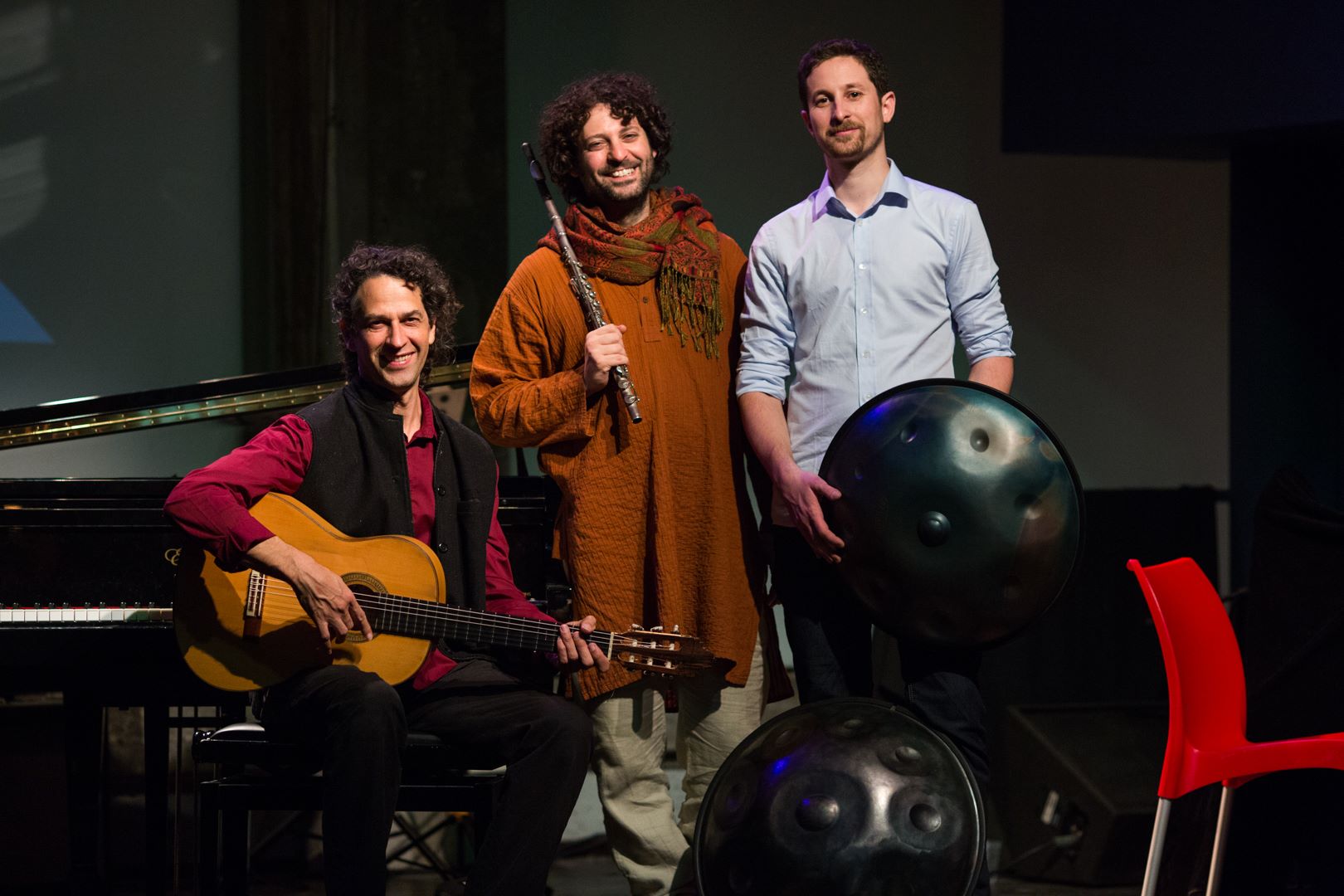
A flute player and a math-therapist — using mathematics as a language of play and repair with children.
Music


Matherapy
Using mathematics as a therapeutic tool may strike some people as a pure oxymoron. Math is commonly considered as a thing that inflicts emotional wounds and not as a healing source. Perhaps it is so since there is a “right” or “wrong” answer — you are either being rewarded or punished for your mathematical functionality as a kid. However, I prefer looking at math as a realm of expression — an unspoken language. A kid encountered with mathematical stimuli reacts to the stimuli and performs his own manipulations over it. Instead of looking at his manipulations as “right” or “wrong” we can ask ourselves what is standing behind this or that behavior. It is surprising to learn that “errors” can actually open a window to the child's thinking and learning mechanisms. Using mathematical abstraction and playing with axioms can then be a place of comfort and resolution to many learning abilities. And learning abilities are in fact (at their most abstract level) our most basic life skills.
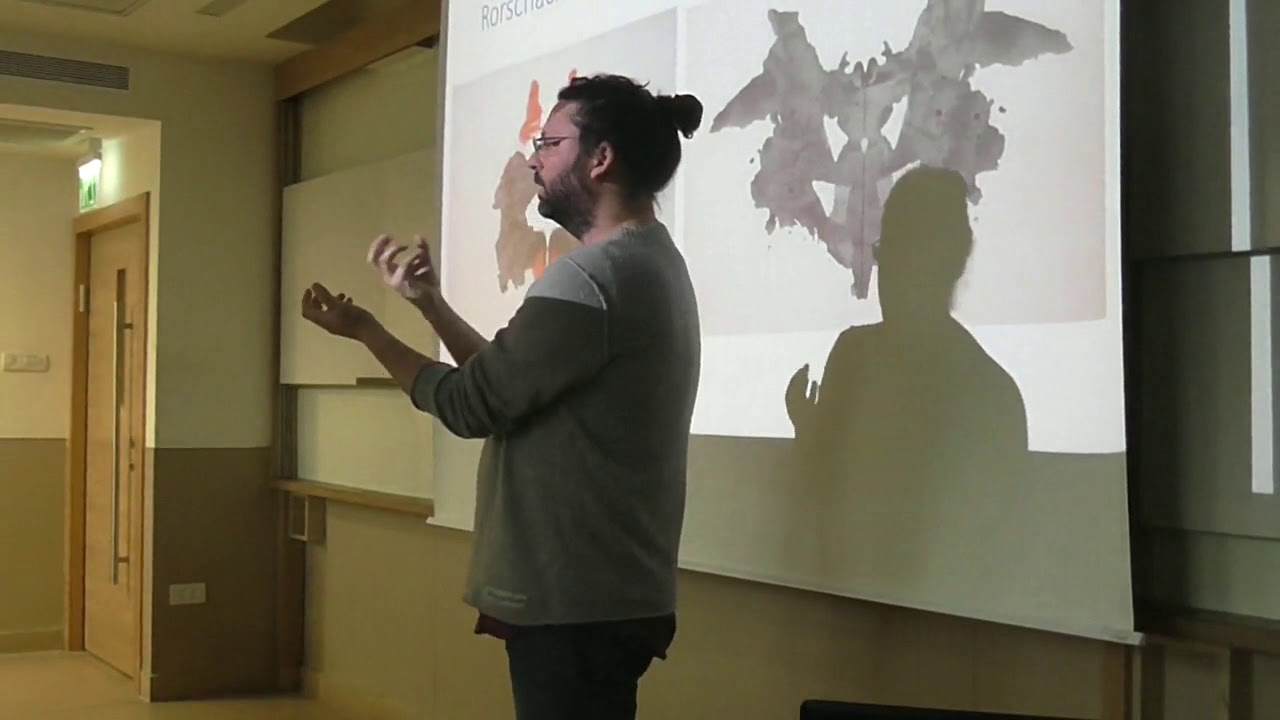
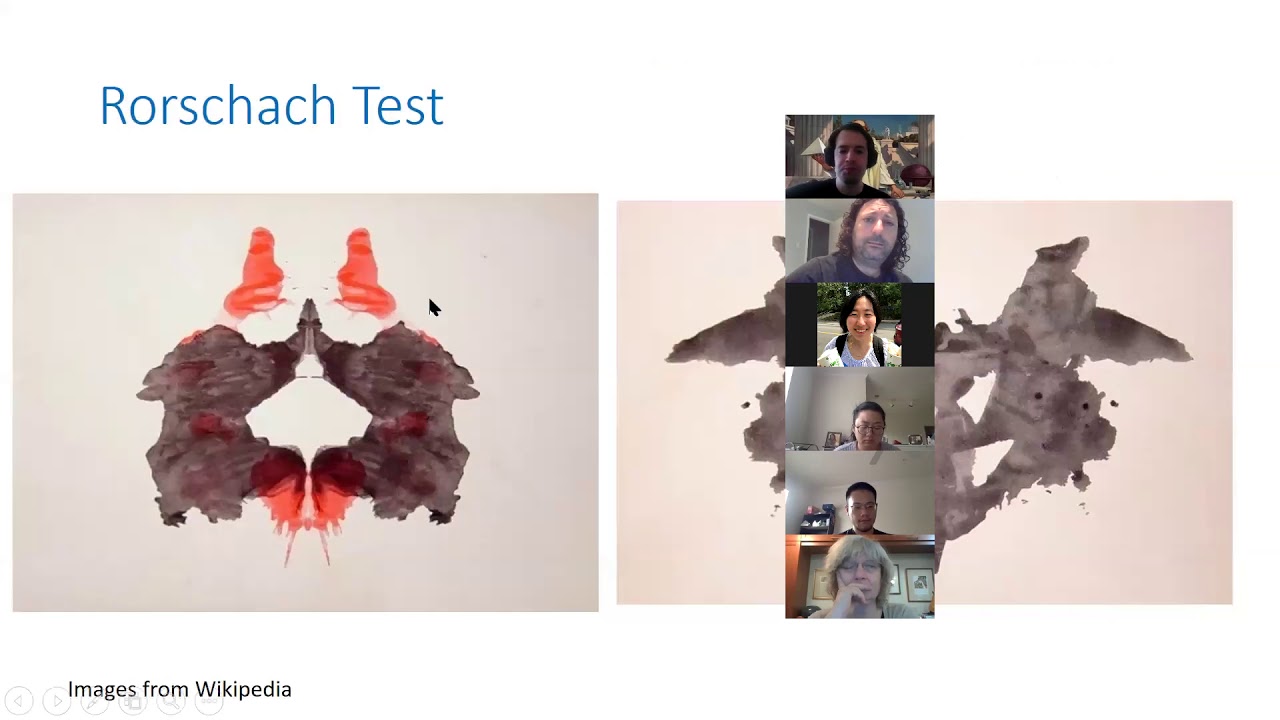
The first video here is a talk I gave about this topic at the graduate student seminar at Tel Aviv University (in Hebrew). The second video is a webinar on the same topic given in Ingrid Daubechies' lab group meeting at Duke University (in English).
The talk is based upon my personal experience treating kids through math in the last decade (mostly as a volunteer) under the guidance of Mrs. Judith Birin, who introduced me to this way of treatment.